DSSI Products
Inflator
In order to realize “zero” deaths and injuries from traffic accidents, automobile manufacturers have thrived to develop safer vehicles. Demands for Airbags have been continuously growing along with the public awareness of automotive safety systems penetrating among the society, resulting in its standard installation in most vehicles now.
The “Inflator” is the most essential component that consist in an Airbag. Without Inflators, Airbags cannot open instantaneously.
Daicel Safety Strategic Business Unit(SBU)s' pyrotechnic technology is fully reflected to our Inflator products to ensure the safety of our valued customers' vehicles and its drivers.
Product lineup
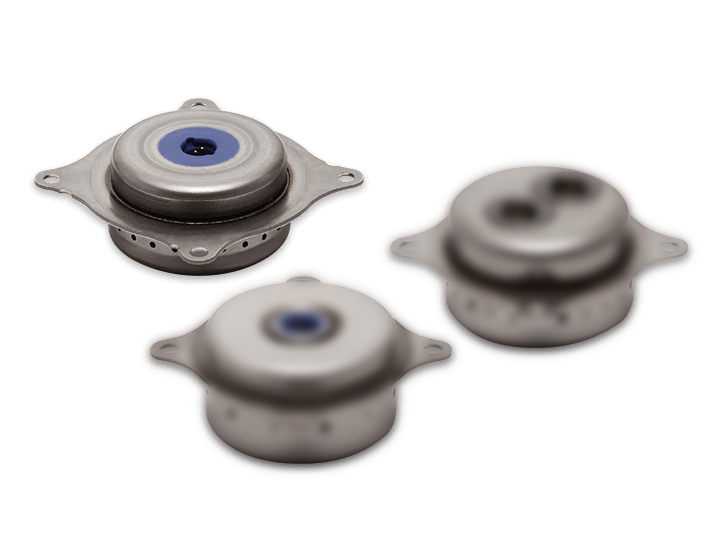
Inflators for the driver Airbag
This gas-generating system protects the driver in a head-on collision. It utilizes the pyrotechnic method.
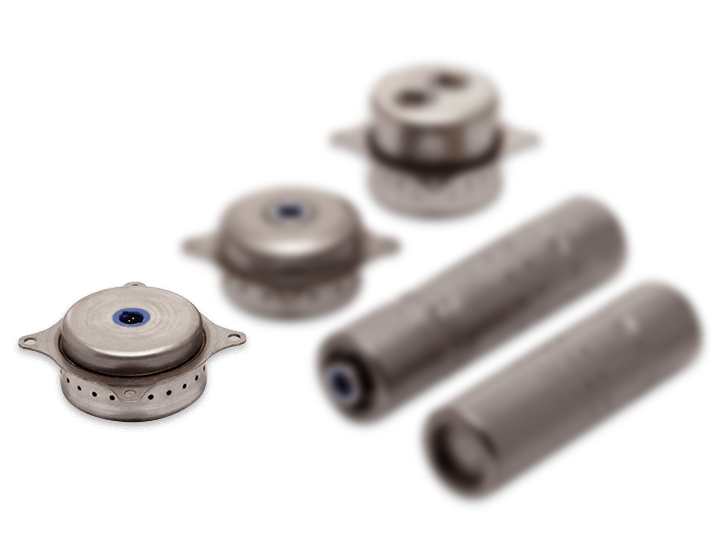
Inflators for the passenger Airbag
This gas-generating system protects the front passenger in a head-on collision. It utilize both the pyrotechnic and hybrid methods.
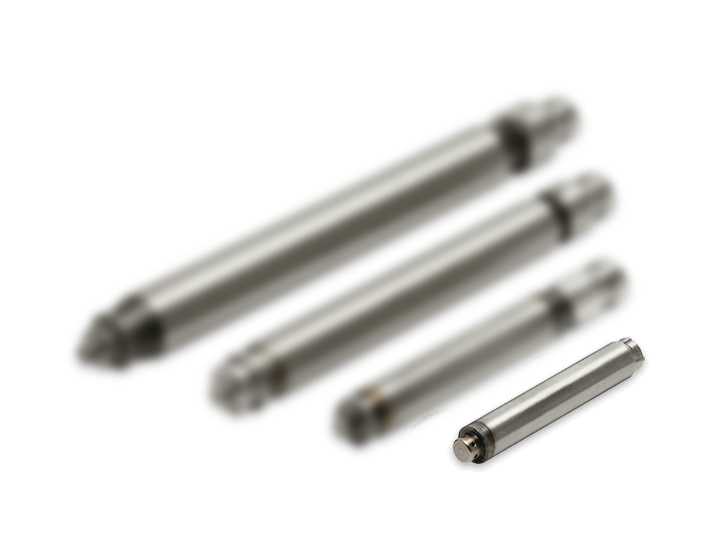
Inflators for other applications
These gas-generating system activates from the side, side curtain, and knee in collisions from both the side and head-on. These utilize both pyrotechnic and hybrid methods.
Operating principle of Inflators
To meet all the performance and quality requirements for Airbags, we now manufacture two types of Airbag inflators that utilize different methods.
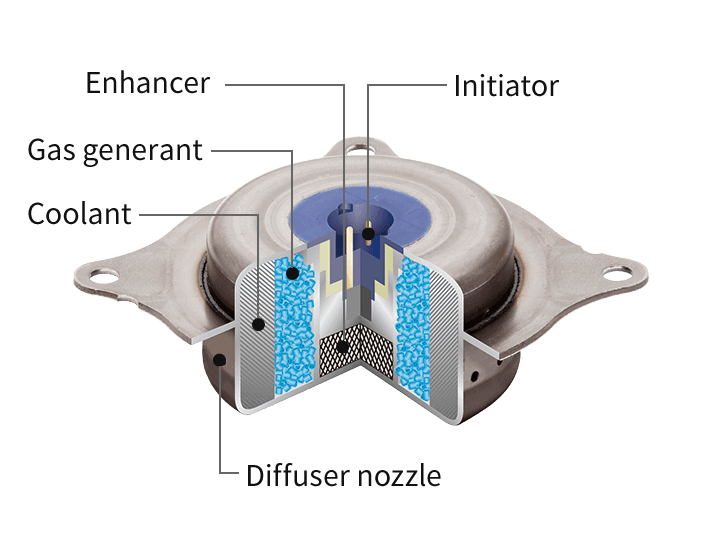
Pyrotechnic method
Gas generation through combustion of propellant.
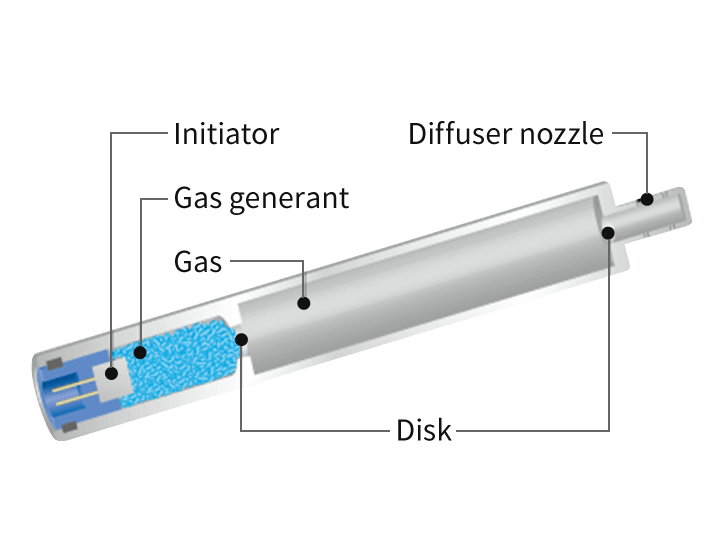
Hybrid method
A combination of pyrotechnic and compressed gas methods.
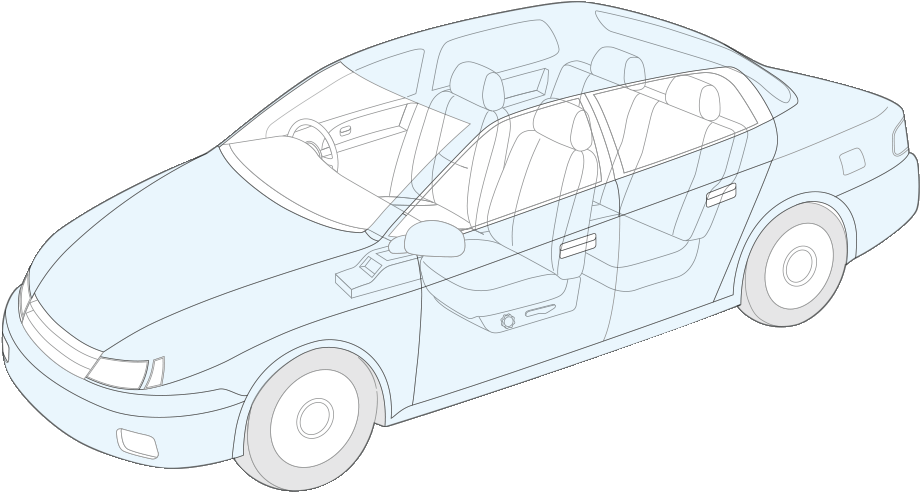
Airbag Functions
- Type of Airbags
- Driver Airbags
- Front passenger Airbags
- Side Airbags
- Side curtain Airbags
- Knee Airbags
- Center rear seat Airbags
- Front center Airbags
- Pedestrian Airbags
Type of Airbags
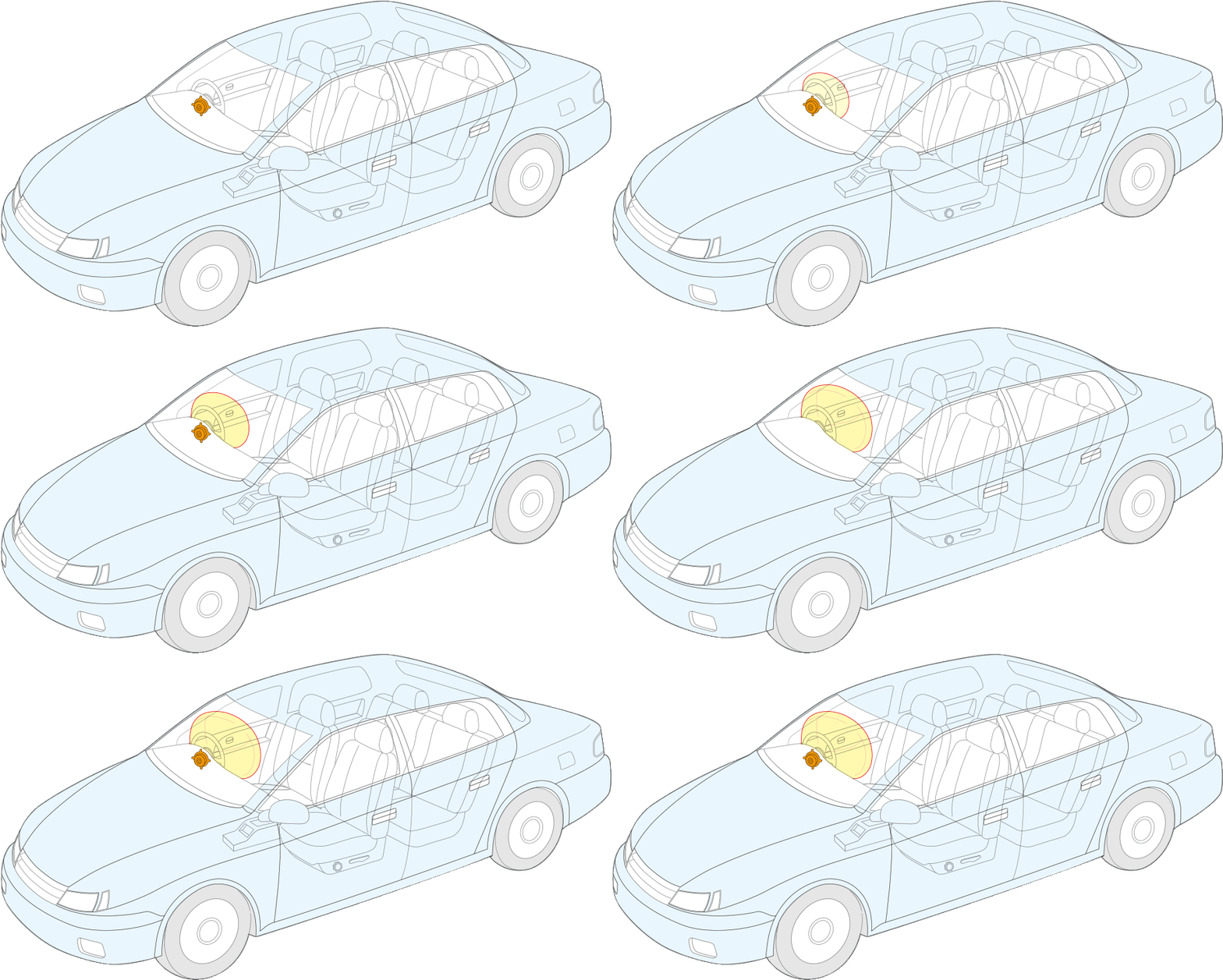
Driver Airbags
Protecting the driver
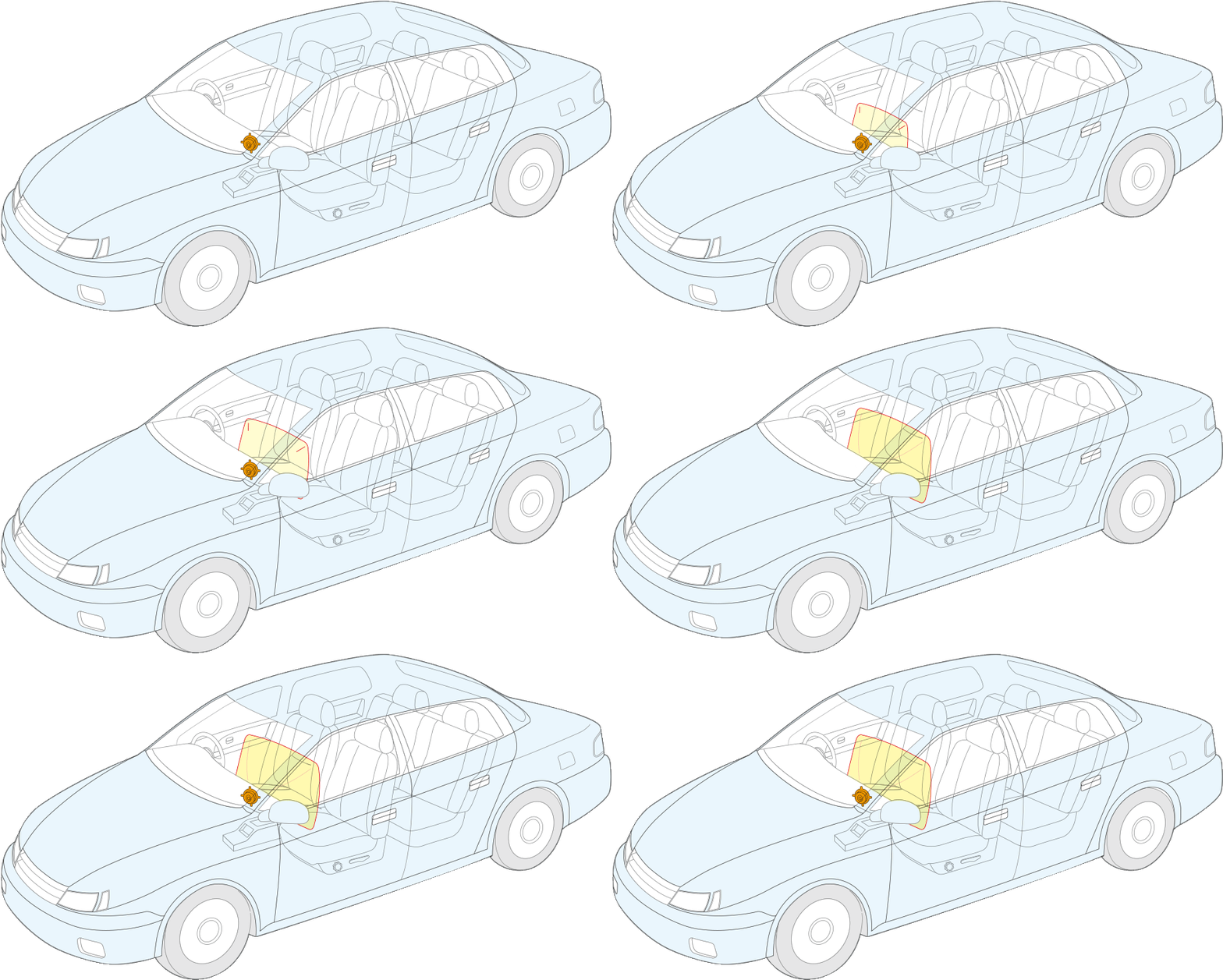
Front passenger Airbags
Protecting front-seat passengers.
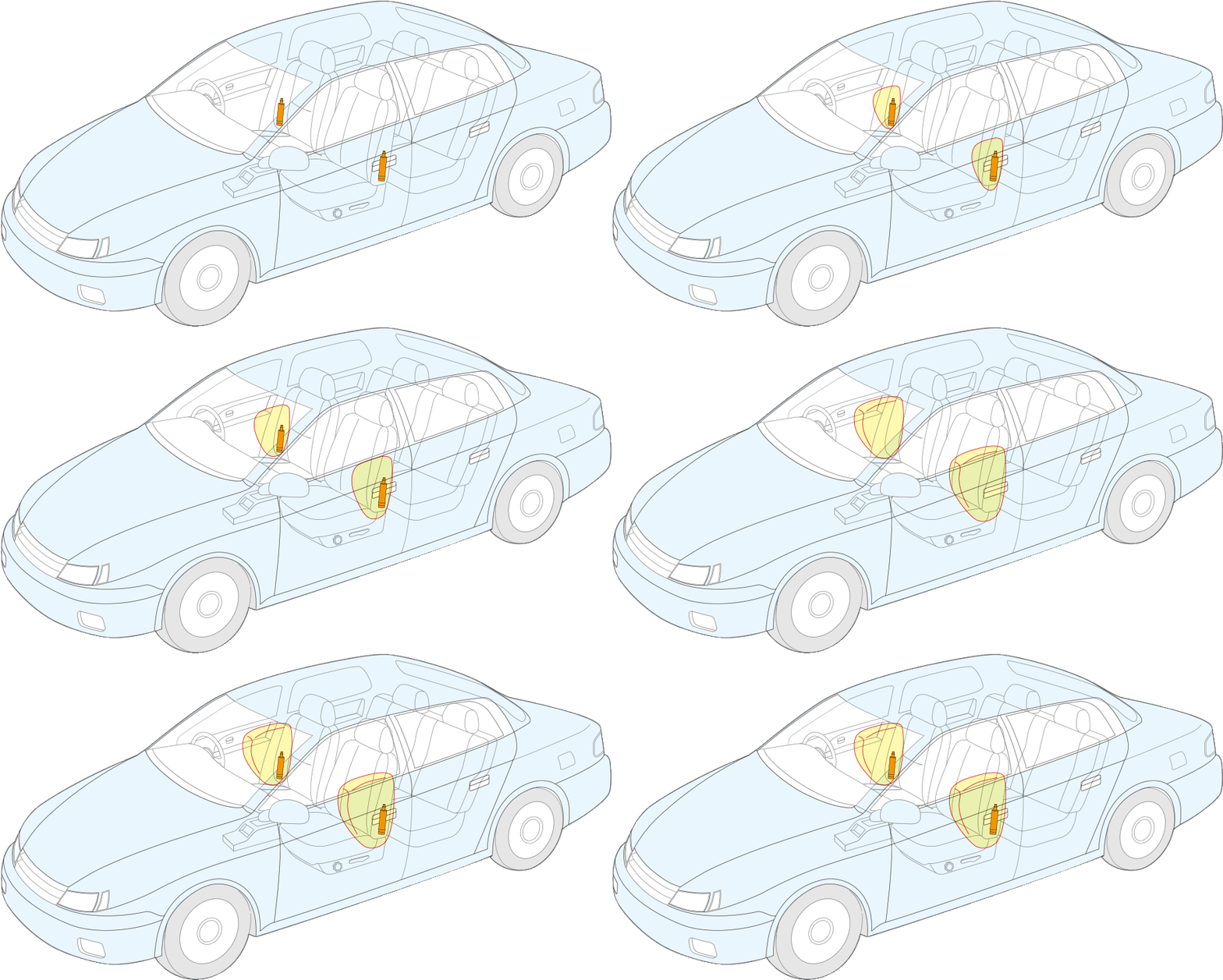
Side Airbags
Protecting passengers' chests and abdomens from a side impact.
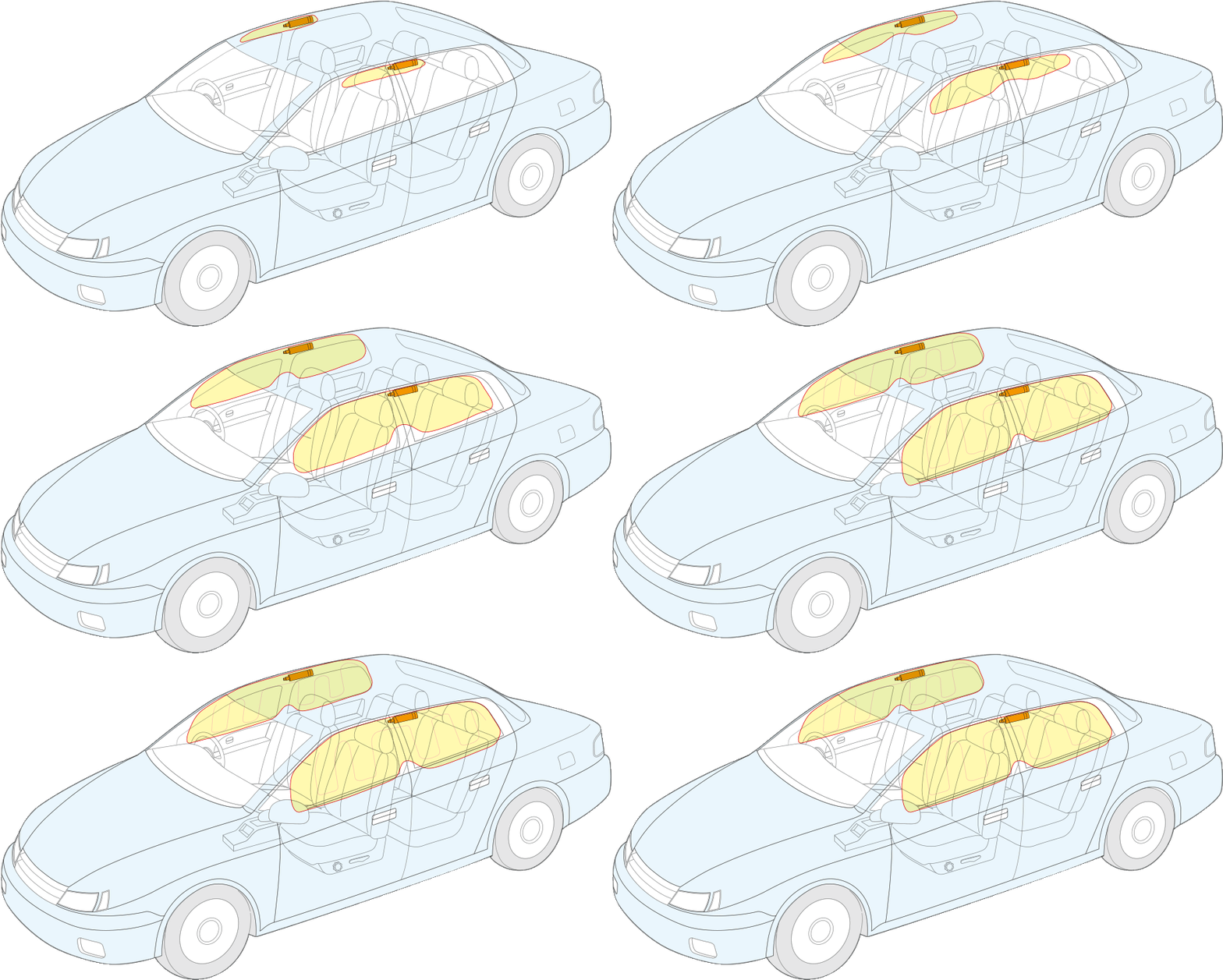
Side curtain Airbags
Protecting the heads of passengers from the shock of a side impact or rollover.
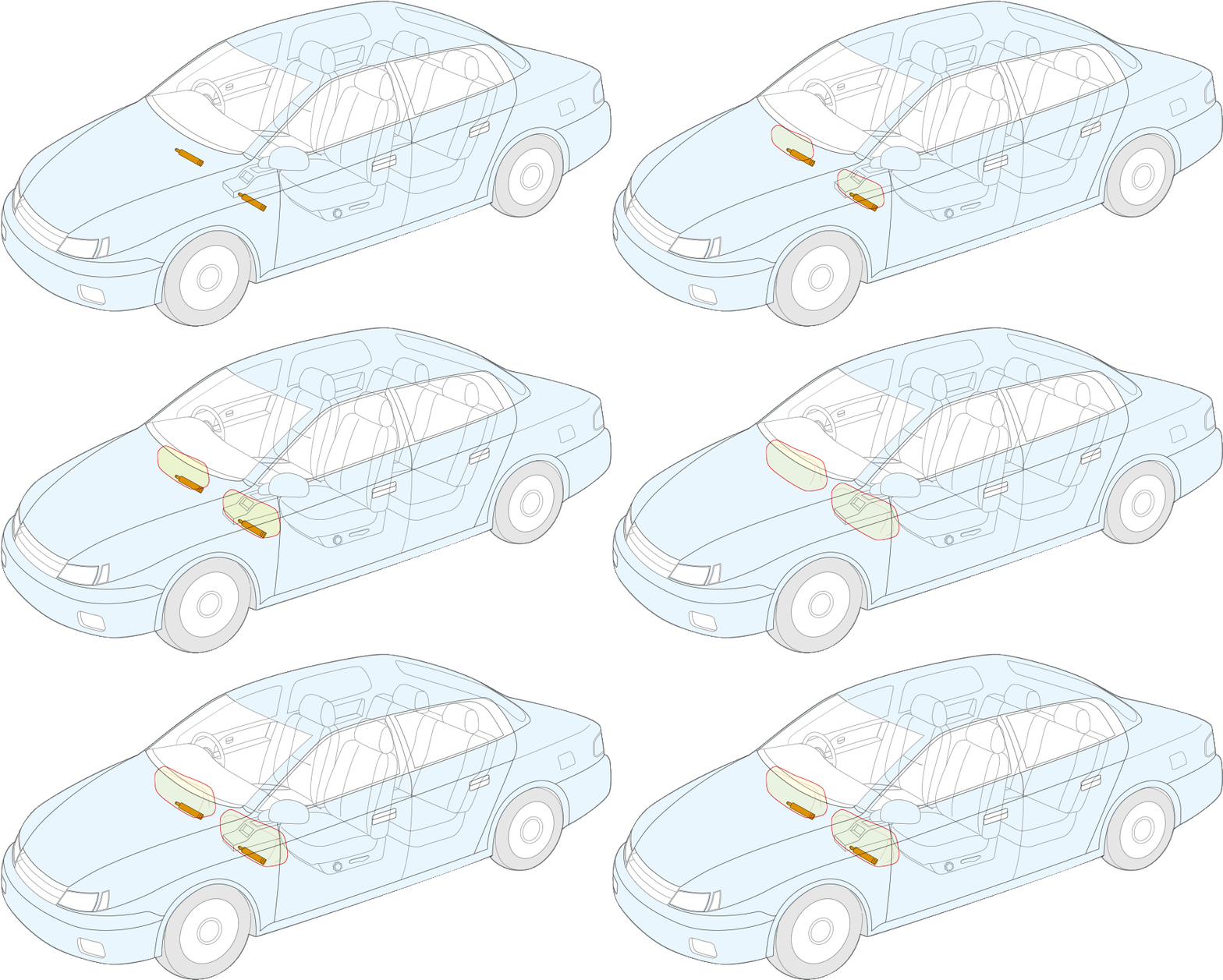
Knee Airbags
Protecting passengers' knees and lower limbs, controlling body movement, and relleving impact on the entire body.
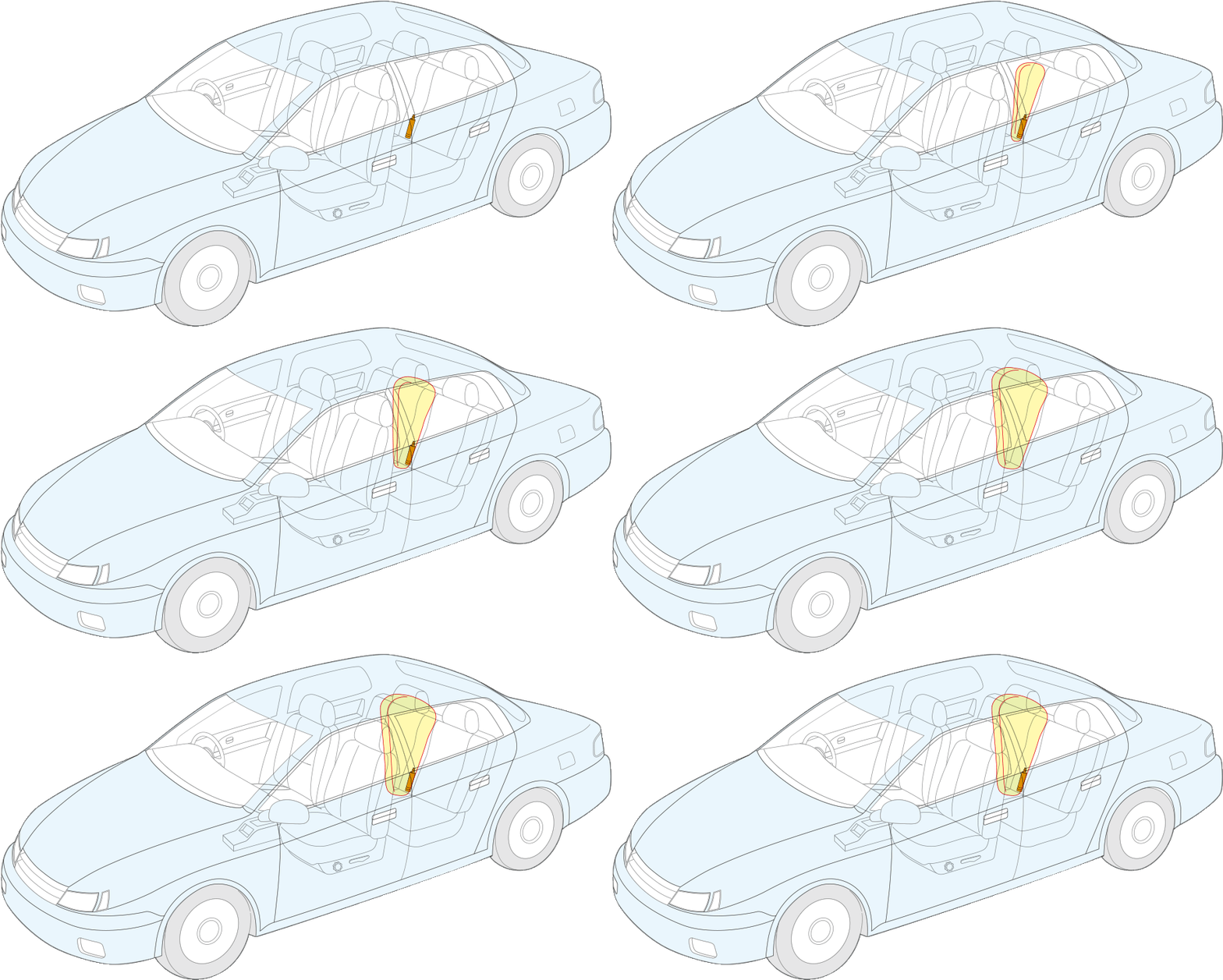
Center rear seat Airbags
Protecting passengers from injury caused by collision with a fellow passenger or the center console.
Front center Airbags
Protecting drivers and front passengers in far-side impact crashes where the affected occupant is on the non-impacted side of the vehicle.
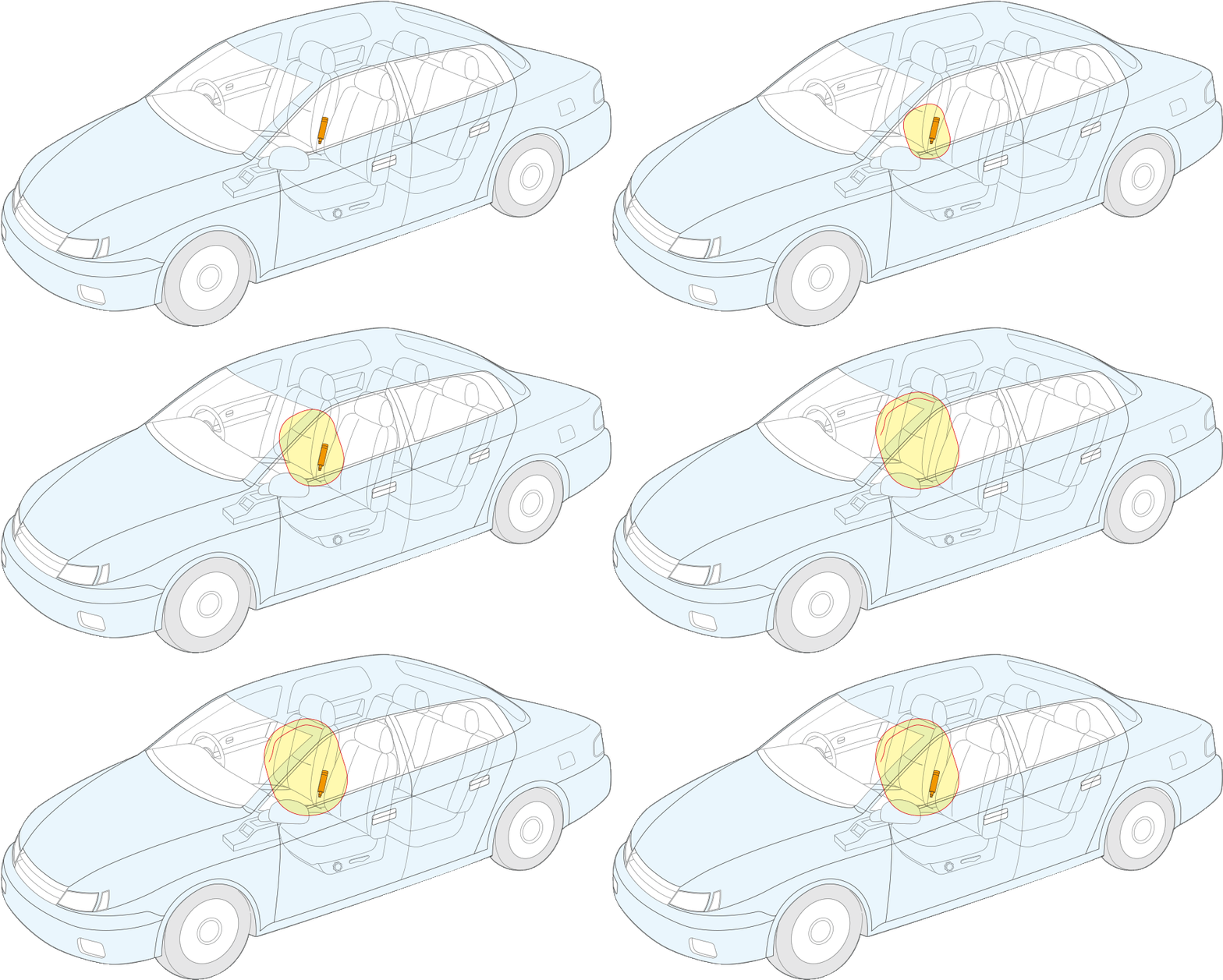
Pedestrian Airbags
Protecting drivers and front passengers in far-side impact crashes where the affected occupant is on the non-impacted side of the vehicle.
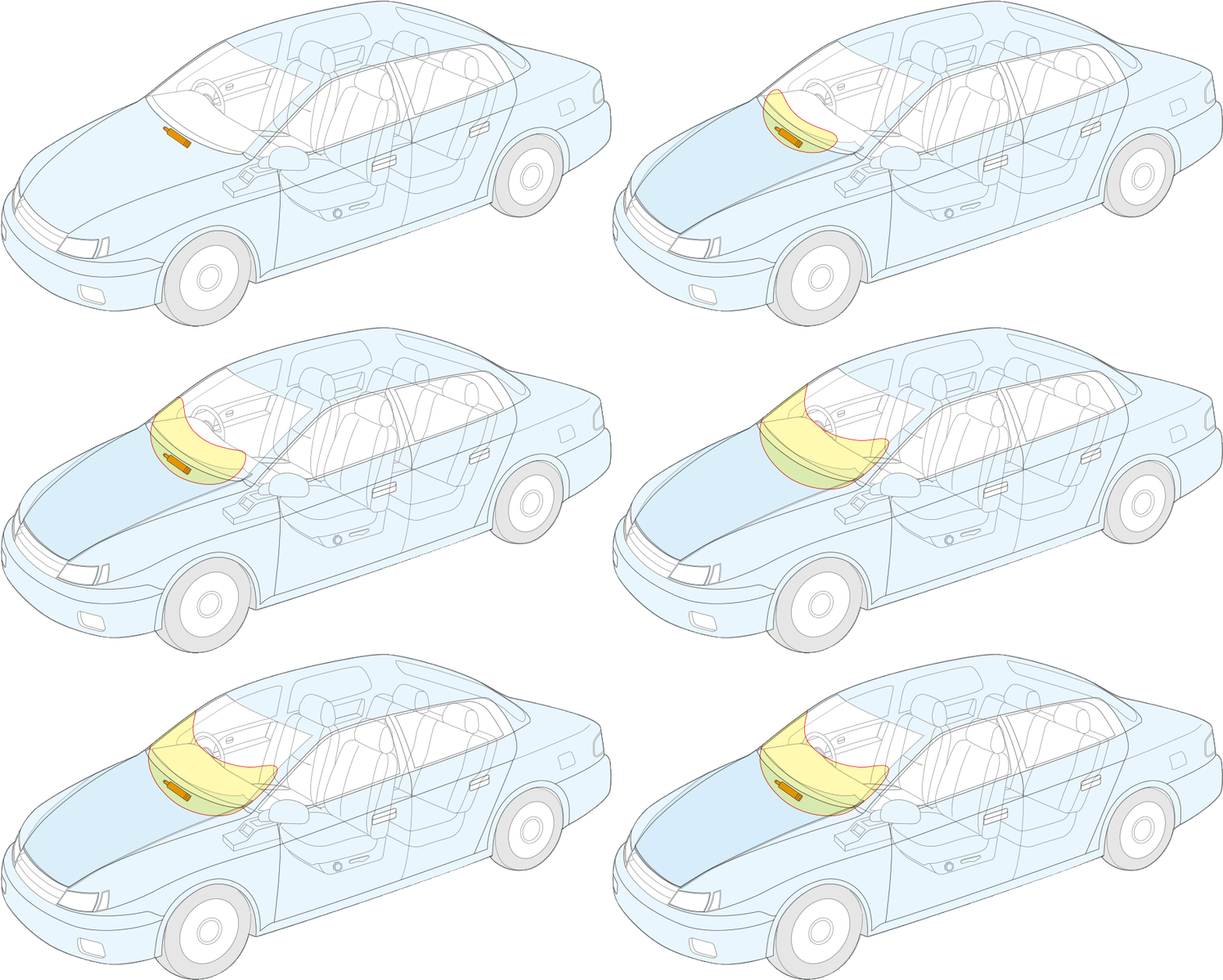
Operating principle of Airbag
An Airbag system uses an inflator that activates upon receiving a signal from collision sensors and a bag that inflates like a balloon. When the sensors detect a collision, a signal is sent to the ECU (a device containing circuitry for diagnosing a collision). If the ECU determines a collision has occurred, it generates an ignition current to activate the inflator within a few milliseconds, which inflates the Airbag to protect the occupant.

1. The sensor detects the collision, a signal is sent to the ECU, and the ignition current flows.
2. The initiator ignites.
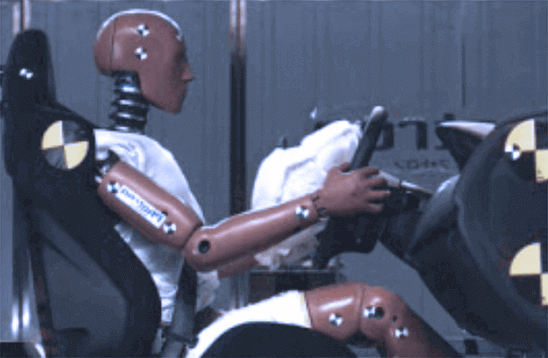
3. The enhancer ignites.
4. The gas generant ignites.
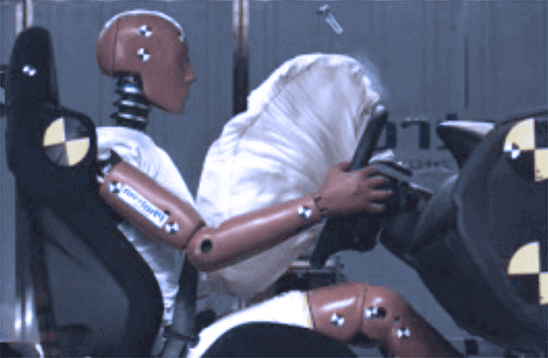
5. Gas is generated.
6. The generated gas is filtered and cooled with a coolant.

7. Gas is emitted from the diffuser nozzle.
8. The Airbag inflates.